
The Best Gift is Prevention: National Cancer Prevention Month in Kenya
 By
By 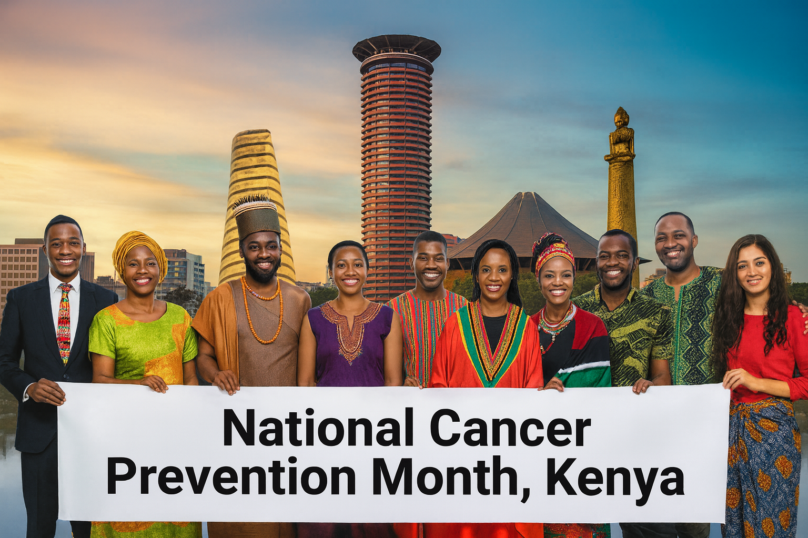
“I wish I knew sooner.” These are five of the hardest words a doctor or a family member can hear. Yet, they are spoken all too often. February is National Cancer Prevention Month, a time dedicated to turning “I wish I knew” into “I’m glad I checked.” With research showing that nearly 50% of cancer cases are preventable through lifestyle changes and early detection, this month is less about fear and more about empowerment.
In Kenya, where the cancer burden is rising, the message has never been more urgent: Cancer is not a death sentence, but silence can be.
The Landscape in Kenya: Which Cancers Lead the Way?
Understanding your risk starts with knowing what we are up against. In Kenya, five specific cancers account for nearly half of the national burden:
| Cancer Type | Who is at Risk? | Key Prevention / Early Action |
|---|---|---|
| Breast Cancer | Primarily women (most common) | Monthly self-exams and annual clinical screenings. |
| Cervical Cancer | Women (highest mortality rate) | HPV Vaccination and regular Pap smears or HPV DNA tests. |
| Prostate Cancer | Men over 40 | Regular PSA blood tests and digital exams. |
| Esophageal Cancer | Both (linked to hot tea, tobacco, & alcohol) | Avoiding tobacco and excessively hot beverages/foods. |
| Colorectal Cancer | Both (linked to diet) | High-fiber diets; screening for those over 45. |
Why “Early” is the Only Way to Win
When cancer is caught in Stage 1 or 2, it is often localized, meaning it hasn’t spread. At this stage, treatment is:
- More Effective: Recovery rates for early-stage cervical and breast cancers are incredibly high—often exceeding 90%.
- Less Invasive: You might need a simple surgery rather than months of aggressive chemotherapy or radiotherapy.
- Cheaper: Treating early-stage cancer is significantly less expensive than managing late-stage complications.
Kenya’s 2026 Vision: No Woman Left Behind
This February is particularly historic for Kenya. The government recently launched the National Cervical Cancer Elimination Action Plan (2026–2030). The goal is the “90-70-90” target:
- 90% of girls vaccinated against HPV by age 15.
- 70% of women screened by age 35 and 45.
- 90% of those diagnosed receiving immediate treatment.
Good News for Your Wallet: As of December 2025, the Social Health Authority (SHA) has increased the cancer benefit package from KSh 550,000 to KSh 800,000 annually. This ensures that if the unthinkable happens, the financial burden doesn’t rest solely on your shoulders.
Your 4-Step Prevention Checklist
- Screen, Even if You Feel Fine: Cancers like cervical and prostate are “silent killers”—they don’t show symptoms until they are advanced. Visit your nearest County Referral Hospital for free or subsidized screenings this month.
- Vaccinate the Next Generation: If you have a daughter (or son) aged 10–14, ensure they get the HPV vaccine. It is a literal shot at a cancer-free future.
- Listen to Your Body: A persistent cough, a new lump, or a change in bathroom habits isn’t always “just age.” Get it checked.
- Watch the Plate and the Glass: Reduce red meats and processed foods. In Kenya, where esophageal cancer is high, let your “chai” cool down a bit before sipping!
“Cancer may have started the fight, but with early detection and a healthy lifestyle, we are the ones who finish it.”
Let’s make February the month we take our power back. Whether it’s booking that screening you’ve been postponing or encouraging a friend to go, your action today is your health tomorrow.
#NationalCancerPreventionMonth #CheckItToBeatIt #WorldCancerDay #HealthKenya #EarlyDetectionSavesLives #SHA
Nitin Bangale